

The World's 333 Top Sports Teams Pay Their Players as Much Each Year as Iceland's Entire GDP
Together, these 333 top teams pay their players US$17.94 billion a year, an average of US$1.84 million per player. Do you know what that means?
Together, these 333 top teams pay their players US$17.94 billion a year, an average of US$1.84 million per player. Do you know what that means?
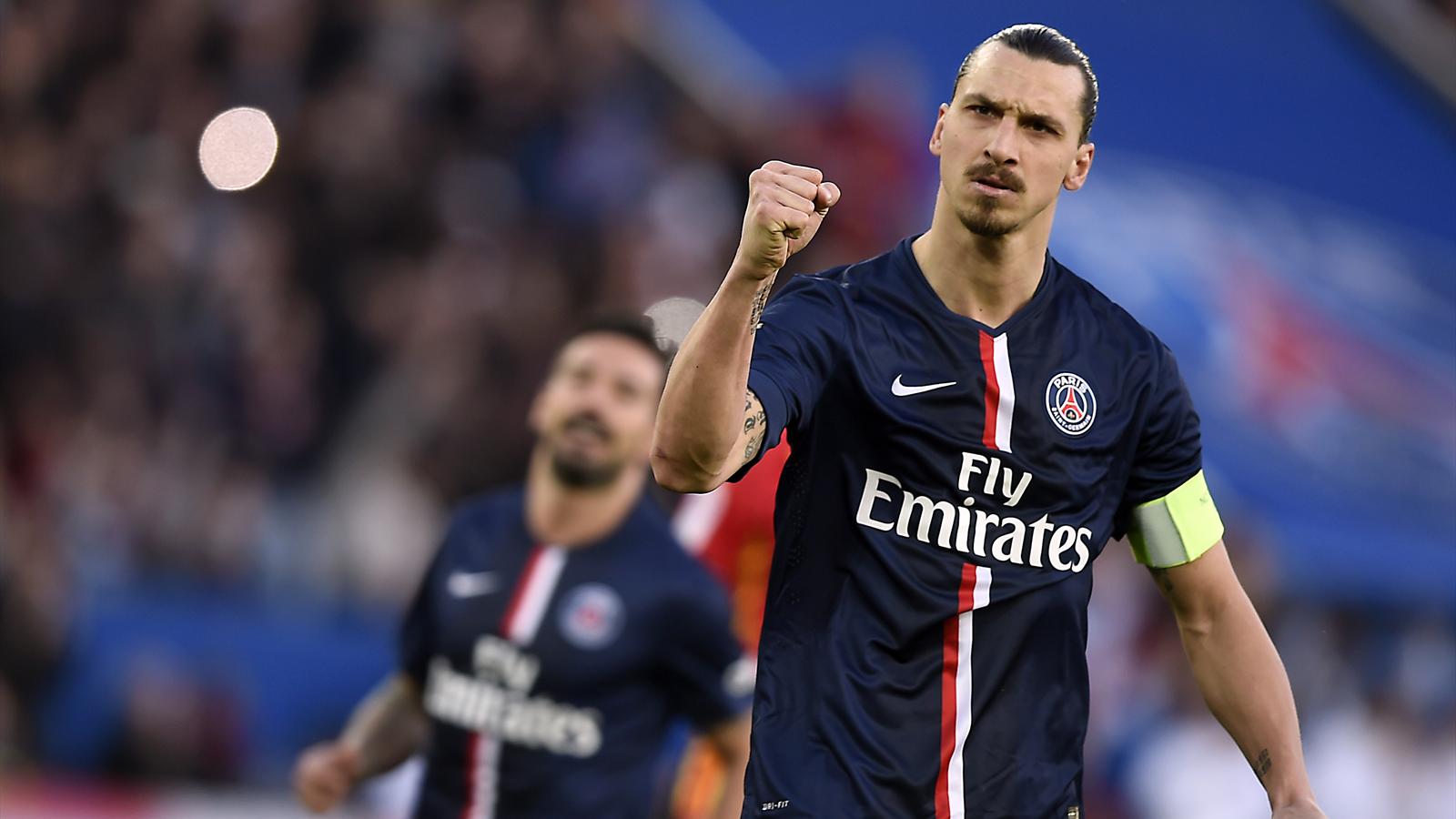
On May 23, Paris Saint-Germain beat Reims 3-2 at home to win the 2014/2015 French Ligue 1 title, its third league championship in a row.
The title was not the only list Paris Saint-Germain topped. In the latest Global Sports Salary Survey, published jointly by ESPN and Sportingintelligence, it came out as the team that pays its athletes the most.
The two facts are closely linked. Three years ago, Paris Saint-Germain was an ordinary French football club when it sold 70% of its shares to Qatar Sports Investments, from the Middle East.
The new owner then began buying top players. It brought in Zlatan Ibrahimović and Thiago Silva together for 65 million euros, then lured Edinson Cavani for 63 million euros to pair with Ibrahimović in the most dangerous strike partnership in Europe.
These well-paid stars delivered on the pitch. They won Paris a third straight title and took the club to the Champions League quarter-finals. Today people speak of "Big Paris" in the same breath as Real Madrid, Barcelona and Bayern Munich.

Paris Saint-Germain shows how central player wages are to what a club invests, and how much they shape the club's development.
A team's payroll may not rise in strict proportion to its results, but high pay helps it attract better players and more sponsors, and so raises its standing both in competition and in business. According to Forbes magazine's ranking of football club values, "Big Paris" earns US$445 million in commercial revenue, more than any other team.
Using the Global Sports Salary Survey, we want to look through player pay at how professional sports teams operate as businesses: what a team is worth, how a club makes money, and how an athlete builds his image off the field.
These top teams spent nearly US$18 billion on players
The survey covers 333 teams in 17 major leagues around the world, spanning 7 sports, 13 countries and 9,731 athletes. Together, these 333 teams pay their players US$17.94 billion a year. That is more than the entire GDP of Iceland (about US$17.8 billion), which ranks 109th in the 2015 world GDP rankings.
When the Global Sports Salary Survey first came out in 2010, the New York Yankees of Major League Baseball (MLB) topped the list for average annual player pay. In 2011 and 2012, Barcelona paid its players the most; in 2013 and 2014, the Premier League's Manchester City took first place.
Paris Saint-Germain, first in 2015, appears in the survey for the first time. That is not because its spending changed dramatically over the past two seasons, but because the survey had not previously covered Ligue 1.
Besides the major European football leagues and several big American leagues, the survey also includes the Chinese Super League, which readers here know well. Shandong Luneng, the league's best-paying team, ranks 190th; Guangzhou Evergrande ranks 195th.
The leagues that spend the most are also the most commercialized
Of the 20 teams with the highest player pay, 9 are football clubs (from the Premier League, La Liga, Ligue 1 and the Bundesliga), 6 are baseball teams (from MLB) and 5 are basketball teams (from the NBA). Together these 20 teams pay about US$3.3625 billion in salaries.
The Premier League is Europe's best-paying football league, and Manchester City is its most generous payer. In MLB, the Los Angeles Dodgers spend the most on players, about US$8 million per player a year. In the NBA, Brooklyn Nets players earn US$6.2 million a year.
Across leagues, how much teams pay their players tracks how commercialized the league is. The Premier League, MLB and the NBA are all among the most valuable and most profitable leagues in the world. According to the latest Forbes figures from 2015, MLB as a whole is worth US$36 billion, an average of US$1.2 billion per team. And when former Microsoft CEO Steve Ballmer bought the Los Angeles Clippers last year, he paid a record US$2 billion.
Teams earn different amounts, but their business models differ little.
Professional sports teams generally earn most of their money from matchday income, broadcast rights, sponsorship and merchandise. Matchday income covers tickets and stadium hospitality; teams also rent out premium seats and luxury boxes to VIP spectators. On the sponsorship side, teams sell shirt-front and stadium advertising, and sometimes the naming rights to their stadiums.
Take Real Madrid. In the 2013/2014 season, the club won its tenth European Cup, and its revenue for the season reached 549.5 million euros: 231.5 million euros in commercial revenue (the sponsorship, merchandise sales and other business income described above), 204.2 million euros from broadcasting and 113.8 million euros on matchdays.
One of these revenue streams can lift a whole league's profits at once: TV rights. In February 2015, the Premier League signed TV deals worth 5.14 billion pounds with Sky Sports and BT Sport. The deal leaves clubs in other European leagues far behind Premier League clubs in income. Under it, from the 2016/2017 season, even the team at the bottom of the Premier League table will receive 99 million pounds in broadcast money.
In the league that pays the most, winning may not come first
Of the 17 leagues in the Global Sports Salary Survey, the NBA pays the most. Its players earn an average of US$4.6 million a year, while the average American earns US$42,372. In other words, an NBA player earns about 108.56 times as much as an average American.
Yet although the NBA pays its players more than any other league, it has not produced super-rich stars who earn far more than everyone else, as European football has.
The first reason is structure. European football leagues promote and relegate teams; American leagues are closed, with no promotion or relegation. The two systems give teams different incentives.
European clubs need to win to stay in the top division, to finish high enough to qualify for European competition, and to collect the large rewards those competitions bring. So they are more willing to pay high wages to lure stars, even to the point of an arms race. American teams, by contrast, care more about profitability and want the highest possible return on their investment.
The second reason is that American leagues put more limits on player pay. The luxury tax and the salary cap make teams more careful about spending on signing and paying players. European football clubs have few such worries when they sign superstars. Real Madrid, which has paid huge sums for James Rodríguez and Gareth Bale in recent seasons, is an obvious example.
For these two reasons, the NBA shares its wealth more evenly than European football does. That is why the NBA teams that spend the most on players, including the Brooklyn Nets (US$6.2 million), the New York Knicks (US$5.9 million) and the Los Angeles Clippers (US$5.3 million), are not the teams with the best records. The Knicks have even been branded the team with more money than sense.
The ones paying the bills are big international brands, and oil companies spend the most freely
Of the ten best-paying teams, seven are backed, directly or indirectly, by Middle Eastern oil money.
Paris Saint-Germain, in first place, is owned by Qatar Sports Investments (part of the Qatar Investment Authority). Its shirt sponsor is Emirates, which also sponsors Real Madrid and Arsenal.
Real Madrid, in second place, is owned by its members, but it is a commercial partner of Abu Dhabi's International Petroleum Investment Company and has received a large investment from it. The chairman of that oil investment company, Sheikh Mansour of the UAE, also owns Manchester City and has spent heavily on stars for the club in recent seasons. Sheikh Mansour also does business with the family company of George Steinbrenner, the late owner of the New York Yankees.
Chelsea's owner, the Russian oligarch Roman Abramovich, built his later business success on oil. Barcelona, also owned by its members, has Qatar Airways (Qatar Foundation) as its shirt sponsor.
The other teams in the top ten often have powerful tycoons and companies behind them too. The Los Angeles Dodgers are owned by Guggenheim Baseball Management, and Bayern Munich's shareholders include, besides the club itself, Allianz, Europe's largest insurer, as well as Adidas and Audi.
The highest-paid athletes compete only a few times a year
The Global Sports Salary Survey also looked at individual athletes. In its individual earnings list, "annual income per player" includes salary and prize money.
The top two places belong, by a wide margin, to the two boxers in this year's "Fight of the Century", Floyd Mayweather and Manny Pacquiao. They earned US$250 million and US$150 million respectively, far ahead of the football stars in third and fourth place, Lionel Messi (US$56.3 million) and Cristiano Ronaldo (US$50.2 million).
Messi and Ronaldo play many matches around the world each season; Mayweather fights far fewer times a year. But professional boxing pays athletes much bigger purses and a bigger share of the gate.
So what does US$250 million a year buy? This April, while training for the Fight of the Century, Mayweather, who loves luxury cars, took time out to buy a Mercedes-Maybach S600 for US$210,000 (about 1.3 million yuan). At that price, a year's income would buy about 1,190 of them.
Formula 1 drivers also hold their own on this list. Only 3 made the top 20, but all three are in the top eight: Sebastian Vettel, who moved from Red Bull to Ferrari (US$50 million a year), Fernando Alonso of McLaren and Lewis Hamilton of Mercedes.
Just last week, Hamilton signed a three-year extension with Mercedes. Under the new contract his annual salary will reach US$52 million, more than Ronaldo's and close to Messi's.
Athletes are rich already? Don't forget endorsements
A sports star often plays more than one role. On the field he can be a serious threat to opponents; off it, he can be a highly valuable brand.
In 2014, Forbes published a ranking of athletes' brand value, based on endorsement and sponsorship income. The top three were NBA star LeBron James, golfer Tiger Woods and tennis great Roger Federer, a different top three from the Global Sports Salary Survey's.
This suggests that, to sponsors, an athlete's commercial value does not necessarily depend on how much he earns from competing. Pacquiao, for example, ranks second for pay, but because he is not well known worldwide, companies want him far less than they want James, Ronaldo or Messi.
Plenty of today's athletes combine great advertising appeal with a sharp sense of how to package a personal brand. The best of them is Real Madrid's Cristiano Ronaldo.
He is flamboyant and outgoing. After every goal he finds the camera and performs a carefully rehearsed celebration. His official social media accounts sometimes read like a marketing channel: apart from celebrating big wins and (rarely) sharing his private life, he mostly posts pictures and messages about his own brand and business deals.
Ronaldo owns a fashion label, CR7, and endorses companies across many industries: clothing brands Emporio Armani (Armani's diffusion line), Nike and Sacoor Brothers (a Portuguese clothing brand); watchmakers Jacob & Co. and TAG Heuer; Coca-Cola and KFC in food and drink; Samsung and Konami (a Japanese video game company) in electronics; plus Castrol motor oil, Emirates and more... As sponsors' favorite and as a brand in his own right, Ronaldo has quietly found his way into every corner of our lives.
Perhaps as early as six years ago, when Real Madrid signed Ronaldo, club president Florentino Pérez was thinking not only of how Ronaldo would make the team more competitive, but also of his huge, untapped commercial potential and the money it could bring.
Cover images from: SFgate, EuroSports, theartmad, Freewinningpicks
Translated from the original QDaily article. Original publication date retained.